
Residential cleaning is the professional upkeep of your home through a structured process of routine tasks including dusting, vacuuming, mopping, and sanitizing high-contact surfaces to maintain hygiene and order. Understanding how residential cleaning works helps you set realistic expectations, choose the right service frequency, and get the most out of every visit. For California homeowners and renters, the options range from weekly maintenance cleaning to specialized services like move-out and post-construction cleaning. Neatandtidypros offers all of these, with crews trained to follow a consistent residential cleaning process that adapts to your home’s specific needs.
What tasks are usually included in a residential cleaning service?
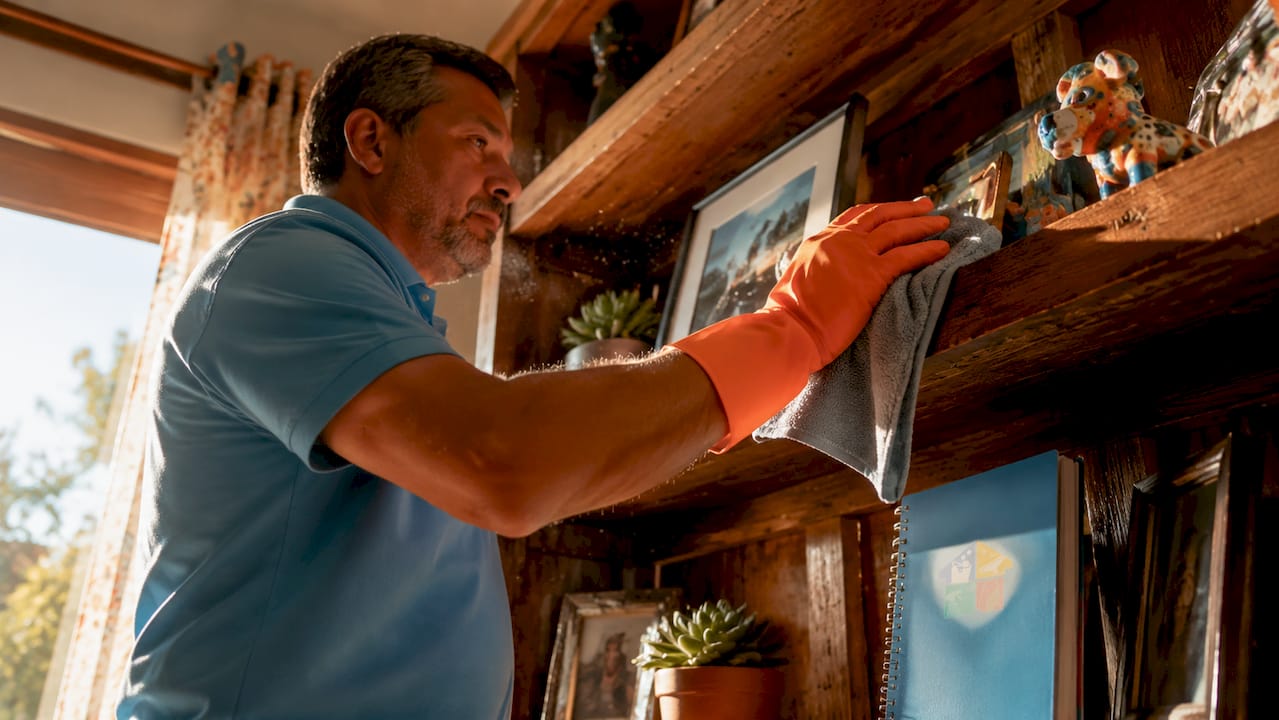
A standard residential cleaning service covers the core hygiene tasks that keep your home livable between deep cleans. House cleaners focus on vacuuming, dusting, and sanitizing surfaces rather than organizing personal belongings or handling laundry. That distinction matters because many homeowners expect more than what a standard visit delivers.
Standard tasks in a typical residential cleaning visit:
- Dusting shelves, fixtures, ceiling fans, and baseboards
- Vacuuming carpets and rugs
- Mopping hard floors
- Cleaning and disinfecting bathroom surfaces, toilets, sinks, and mirrors
- Wiping down kitchen counters, stovetop, and exterior of appliances
- Emptying trash bins and replacing liners
- Spot-cleaning glass surfaces and light switches
What is usually not included:
- Clutter removal or organizing personal items
- Laundry or dishwashing
- Interior oven or refrigerator cleaning (unless requested)
- Heavy scrubbing of grout or tile (this falls under deep cleaning)
- Moving furniture
Standard cleaning maintains a home that is already reasonably tidy. Deep cleaning goes further, addressing buildup in grout lines, inside appliances, and behind furniture. Knowing the difference prevents frustration on both sides. Most services, including Neatandtidypros, offer both as separate packages so you can choose based on your home’s actual condition.
Pro Tip: Ask your cleaning provider for a written task checklist before the first visit. This removes any guesswork about what is and is not covered.
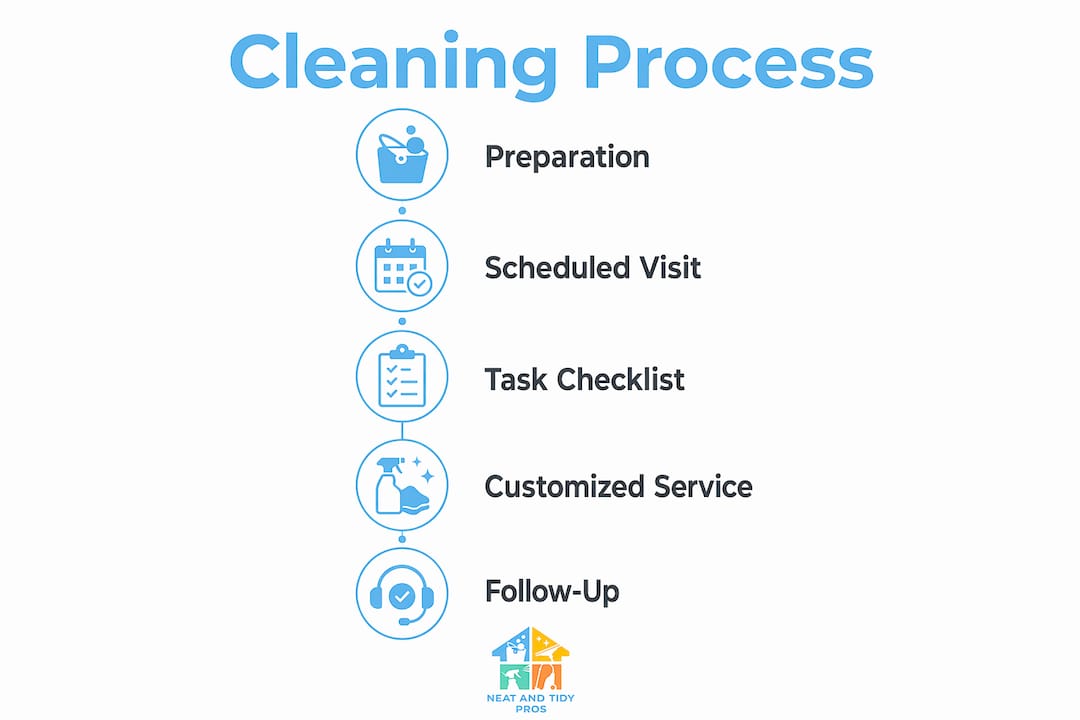
How is residential cleaning scheduled and organized?
Scheduling is where the residential cleaning process becomes a system rather than a one-off event. Bi-weekly service is the most common frequency, representing 58% of all recurring residential contracts. That frequency balances maintenance quality with cost, making it the practical default for most California households.
Weekly visits suit high-traffic homes with children, pets, or frequent guests. Monthly visits work for single occupants or second properties that see light use. The right frequency depends on your household, not a generic recommendation.
How scheduling zones and route planning affect your service
Professional cleaning companies organize their crews into geographic zones. Clustering clients into 3–6 zones reduces crew drive time by 20–40 minutes per day. That efficiency lowers operating costs and makes it easier for companies to offer consistent arrival windows rather than vague four-hour blocks.
For you as a homeowner or renter, this means your assigned crew is more likely to arrive on time when you live within a well-organized service zone. It also means last-minute scheduling changes are less disruptive to the crew’s day, which translates to better service reliability.
Booking recurring visits in advance
Pre-booking recurring slots 6–12 months in advance locks in your preferred time and prevents double-bookings during busy periods like the holidays or end-of-lease season in California. This is especially useful in high-demand areas like Los Angeles, Orange County, and San Diego, where cleaning crews fill up quickly.
| Frequency | Best for | Typical cost impact |
|---|---|---|
| Weekly | Families, pet owners, high-traffic homes | Highest monthly cost, lowest per-visit rate |
| Bi-weekly | Most households, couples, moderate traffic | Best balance of cost and cleanliness |
| Monthly | Light-use homes, second properties | Lowest monthly cost, may require deeper cleans |
Industry best practices include a 30-day cancellation notice and a 90-day advance notice for price changes. These policies protect both you and the service provider from surprises.
Pro Tip: Book your recurring visits as a series rather than one at a time. You secure your preferred slot and avoid scrambling to reschedule around busy periods.
How do cleaning professionals tailor services to your home?
Every home is different, and a good cleaning service accounts for that from the very first visit. The first visit typically functions as a deep clean and assessment, where the crew evaluates the home’s condition and sets a maintenance baseline. This initial visit takes longer and costs more than a standard recurring visit. That is normal and expected.
After the first visit, the crew has a clear picture of your home’s layout, trouble spots, and specific needs. Future visits become faster and more focused because the baseline has already been established.
Factors that shape your cleaning frequency and scope
- Pets: Pet hair and dander accumulate quickly. Homes with dogs or cats typically need weekly or bi-weekly visits.
- Children: Kitchens and bathrooms in family homes see heavier use and require more frequent disinfecting.
- Home size: A 1,000-square-foot apartment and a 3,500-square-foot house require very different time allocations.
- Clutter levels: Homes with more surfaces and items take longer to clean, which affects pricing and scheduling.
- Special materials: Hardwood floors, natural stone countertops, and stainless steel appliances each require specific cleaning techniques and products.
A frequency menu approach tailored to your home’s traffic and pet situation produces better results than a one-size-fits-all schedule. Communicating these factors upfront helps your cleaning provider assign the right crew and allocate the right amount of time.
Clear communication of special instructions also matters. If you have a room you want skipped, a surface that requires a specific product, or a pet that needs to be secured, tell your provider before the visit. Written notes or a shared checklist work better than verbal reminders that get lost between bookings. You can review the full list of rooms professionals clean to understand the typical scope and identify anything specific to your home.
What should you do to prepare for a cleaning visit?
Preparation directly affects the quality of your cleaning results. Removing clutter and personal items before cleaners arrive lets the crew focus entirely on hygiene cleaning rather than moving objects around. A cleaner who spends 20 minutes relocating items on a countertop has 20 fewer minutes to actually clean it.
The distinction between tidying and cleaning is one that clients and providers both benefit from understanding. Tidying means removing personal items, toys, clothes, and dishes from surfaces. Cleaning means disinfecting, scrubbing, and sanitizing those surfaces. Your job is the first part. The crew’s job is the second.
Steps to prepare your home before a cleaning visit:
- Clear countertops in the kitchen and bathrooms of personal items.
- Pick up clothes, toys, and other items from floors and furniture.
- Secure or relocate pets so they do not interfere with the crew’s work.
- Store valuables, medications, and sensitive documents in a secure location.
- Leave a note or send a message with any special instructions or areas to prioritize.
- Make sure the crew has clear access, whether that means leaving a key, a door code, or being home to let them in.
These steps take 10–15 minutes but make a measurable difference in what the crew accomplishes. A well-prepared home gets a thorough clean. An unprepared home gets a partial one.
Pro Tip: Set a recurring 15-minute “pre-clean tidy” on your calendar for the morning of every scheduled visit. It becomes a habit quickly and keeps your results consistent.
Key Takeaways
Residential cleaning works best when you match service frequency to your household’s actual needs, prepare your home before each visit, and communicate clearly with your provider from the start.
| Point | Details |
|---|---|
| Standard vs. deep cleaning | Standard visits cover routine hygiene tasks; deep cleaning addresses buildup and is a separate service. |
| Bi-weekly is the most common frequency | 58% of recurring contracts use bi-weekly scheduling, balancing cost and cleanliness for most households. |
| First visit sets the baseline | The initial deep clean assesses your home’s condition and shapes all future visits. |
| Preparation improves results | Removing clutter before the crew arrives lets them focus fully on hygiene cleaning. |
| Consistent crews reduce variation | Assigning a named primary cleaner to your home improves quality and reduces surprises. |
What I have learned after years of cleaning California homes
The biggest misconception homeowners bring to their first booking is that a standard cleaning visit will fix a home that has not been professionally cleaned in months. It will not. A maintenance clean maintains a clean home. It does not restore one. That is what a deep clean is for, and skipping it at the start creates a cycle of disappointing results.
The second thing I have seen consistently is that clients who communicate clearly get better service. Not because cleaners cut corners for quiet clients, but because every home is different. A crew that knows your priorities, your sensitive surfaces, and your schedule can work with real focus. One that is guessing wastes time on the wrong things.
Assigning a consistent primary cleaner and backup to each home is a practice that genuinely improves quality over time. A cleaner who has been in your home six times knows where the dust collects, which floor scratches easily, and which bathroom needs extra attention. That institutional knowledge is worth protecting. Ask your provider whether they assign consistent crews or rotate staff randomly. The answer tells you a lot about how they operate.
My honest recommendation for California renters specifically: book a professional clean before you move out, not after you have already handed in your keys. A move-out cleaning done properly protects your deposit and avoids disputes with landlords. Waiting until the last minute limits your options and your results.
— Neat
Neatandtidypros residential cleaning services in California
Neatandtidypros provides residential and commercial cleaning across California, with service packages built for different home sizes, schedules, and budgets. Whether you need a recurring bi-weekly maintenance clean or a one-time deep clean before a move, the crews are trained to follow a consistent process from the first visit forward.
Every booking includes a clear task checklist, transparent pricing, and the option to request a consistent crew for recurring visits. Scheduling is straightforward, with recurring slots available 6–12 months in advance to secure your preferred time. Explore the full range of cleaning service options to find the package that fits your home and frequency needs. For homeowners preparing for a major clean, the deep cleaning service is a strong starting point before moving to a regular maintenance schedule.
FAQ
What is residential cleaning?
Residential cleaning is the professional maintenance of a home through routine tasks like vacuuming, dusting, mopping, and disinfecting bathrooms and kitchens. It differs from deep cleaning, which addresses buildup and areas not covered in a standard visit.
How is residential cleaning scheduled?
Most residential cleaning services run on weekly, bi-weekly, or monthly schedules, with bi-weekly being the most common at 58% of recurring contracts. Booking recurring visits 6–12 months in advance secures your preferred time slot.
What do house cleaners not do?
House cleaners generally do not handle clutter removal, laundry, dishwashing, or heavy labor like moving furniture unless those tasks are specifically added to the service agreement.
How do I prepare for a cleaning visit?
Clear countertops and floors of personal items, secure pets, store valuables, and leave written instructions for any special requests. Preparation lets the crew focus entirely on cleaning rather than tidying.
Does the first cleaning visit cost more?
The first visit typically functions as a deep clean and assessment, which takes more time than a standard recurring visit. This baseline clean sets the standard for all future maintenance visits.
One Response