Post-construction sanitization refers to the structured process of removing hazardous dust, chemical residues, and microbial contaminants from a newly built or renovated space before occupancy. The types of sanitization methods post construction span three distinct phases: rough cleaning, light cleaning, and final sanitizing, each targeting a different contamination layer. Project managers and property owners who skip or rush these phases risk failed inspections, health violations, and costly rework. Getting this right the first time requires the right sequence, the right tools, and a clear understanding of what each method actually does.
What are the key types of sanitization methods used after construction?
Post-construction cleaning is structured into three sequential phases: rough cleaning removes bulk debris, light cleaning targets detailed surface and adhesive removal, and final cleaning includes high-touch sanitization and floor finishing. Each phase requires different tools and chemicals. Skipping any phase forces you to repeat work you already paid for.
The core sanitization methods used across these phases include:
- HEPA-filter vacuuming: HEPA vacuums capture fine particles, including respirable crystalline silica, which is the highest-frequency hazard on construction sites. Standard shop vacuums recirculate these particles back into the air.
- Microfiber surface wiping: Microfiber cloths of varied grades trap dust electrostatically rather than pushing it around. Use a coarser grade for rough surfaces and a finer grade for finished fixtures and glass.
- Chemical disinfection of touch points: High-touch areas like door handles, switch plates, and plumbing fixtures require EPA-registered disinfectants applied with dwell time, not just a quick wipe.
- Specialty floor scrubbing: Low-speed floor scrubbers paired with neutral pH cleaners remove construction residues from vinyl, tile, sealed concrete, and garage floors without damaging the finish.
- Kitchen and restroom sanitization: Restrooms and kitchens require chemical disinfectants and scrubbing of tile grout, fixtures, and sealed surfaces before any occupancy handoff.
- Window and glass cleaning: Construction adhesive, paint overspray, and silicone residue bond to glass during the build. Removing them requires a razor blade scraper followed by a streak-free glass cleaner. See the full process in this window cleaning guide.
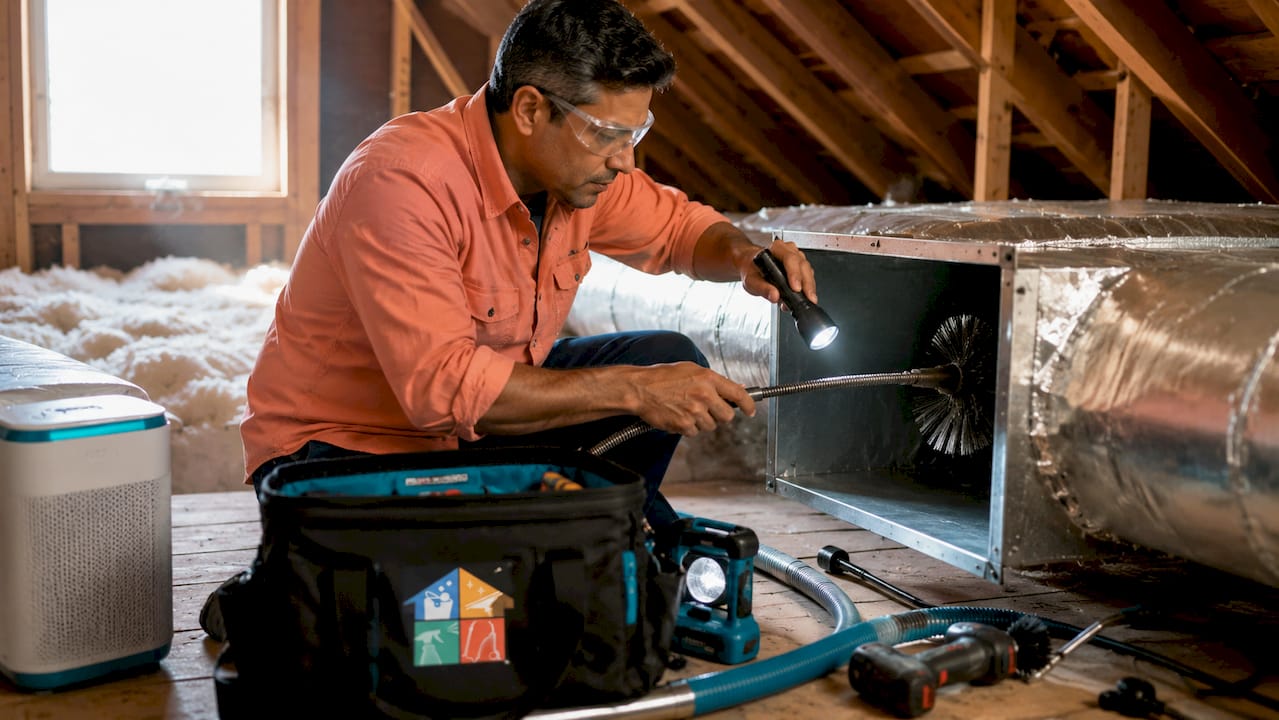
- Air filtration and ventilation cleaning: HVAC vents and ductwork collect fine dust throughout the build. Cleaning them last, after all surface work is done, prevents recirculating debris into a freshly sanitized space.
Pro Tip: Always vacuum HVAC vents before sealing them back. Construction dust that settles inside ductwork will circulate for months after move-in if left uncleaned.
How sequencing and methodology enhance sanitization effectiveness
The order in which you apply sanitation methods for new buildings determines whether you clean a space once or three times. Top-down cleaning is the non-negotiable standard: start at ceiling level with HVAC vents, light fixtures, and high shelving, then work down to walls, countertops, and finally floors. Reversing this sequence means dust from upper surfaces falls onto areas you already cleaned.
The three-phase workflow breaks down like this:
- Rough cleaning: Remove bulk debris, drywall chunks, wood scraps, and packaging. Sweep or shovel large material out. This phase is about volume, not detail.
- Light cleaning: Target adhesive residue, paint drips, grout haze, and sticker remnants on surfaces. Use plastic scrapers, solvent-based removers, and microfiber cloths. This phase requires patience and close inspection.
- Final sanitizing and finishing: Apply chemical disinfectants to all touch points, scrub floors with appropriate cleaners, clean glass, and wipe down every fixture. This phase determines inspection readiness.
“Improper sequencing leads to inefficiencies and lowered cleaning quality. Top-down cleaning prevents cross-contamination and reduces the need for re-cleaning, saving both time and money on every project.”
Timing matters as much as sequence. Schedule the final sanitizing phase as close to the occupancy inspection as possible. Dust settles continuously in an active construction environment, and a space cleaned too early will need partial rework before handoff.
What specialized tools and equipment are essential for post-construction sanitization?
Professional-grade tools separate a compliant, inspection-ready space from one that looks clean but isn’t. The right equipment also protects your crew from the health hazards that construction residues create.
Key tools and their functions:
- HEPA-filter vacuums: These are the single most important tool in any post-construction cleaning operation. HEPA filters capture particles down to 0.3 microns, including silica dust and fine drywall powder that standard vacuums miss entirely.
- Microfiber cloths (multiple grades): Color-code by zone. Use one grade for bathrooms, a different color for kitchens, and another for general surfaces. Cross-contamination between zones is a real risk in large builds.
- Low-speed floor scrubbers: These machines apply consistent pressure and cleaning solution across large floor areas. They work on vinyl, tile, sealed concrete, and garage floors without the surface damage that high-speed equipment causes.
- Neutral pH cleaners and degreasers: Specialty degreasers remove construction-grade adhesives and oils. Neutral pH cleaners protect sensitive flooring finishes during final scrubbing.
- Respirators and PPE: OSHA 29 CFR 1926.1153 mandates wet methods or HEPA vacuum use and a half-face respirator with P100 filters at minimum for silica dust exposure. Gloves and eye protection are required when handling chemical disinfectants.
- Avoid traditional sweeping: Dry sweeping re-suspends fine particles, including silica, back into breathing zones. HEPA vacuuming or wet methods replace sweeping entirely in a compliant post-construction workflow.
Pro Tip: Invest in color-coded microfiber systems before the job starts. It takes five minutes to set up and eliminates the risk of spreading bathroom bacteria to kitchen surfaces.
How to select the best sanitization methods based on property type
The right deep cleaning strategies post renovation depend heavily on what was built and how it was finished. A standard commercial office build and a luxury residential project require different levels of care, different chemicals, and different budgets.
| Property type | Cleaning intensity | Estimated final cleaning cost |
|---|---|---|
| Standard commercial build | Moderate, general-purpose cleaners | $0.25–$0.50 per sq ft |
| High-end residential | High, specialty surface care required | $0.45–$0.80 per sq ft |
Final cleaning costs reflect the difference in labor and materials. High-end finishes like marble countertops, large-format porcelain tile, and custom millwork require pH-neutral cleaners, soft-grade microfiber, and hand-polishing rather than machine scrubbing.
For standard builds, general-purpose neutral cleaners and commercial-grade HEPA vacuums cover most surfaces adequately. For luxury builds, you need surface-specific products: marble-safe stone cleaners, glass polishing compounds, and stainless steel protectants. Using the wrong product on a delicate finish creates damage that costs far more to repair than the cleaning itself.
Budget-conscious property owners can reduce costs by completing rough cleaning with their own crew and hiring professionals only for the light and final phases. This approach keeps specialty labor focused on the work that actually requires expertise.
Pro Tip: Always test specialty cleaners on an inconspicuous area before applying them to an entire surface. Marble and natural stone react unpredictably to acidic or alkaline products.
What are best practices to ensure worker safety during post-construction sanitization?
Worker safety during construction site disinfection methods is a regulatory requirement, not a preference. The most common hazards are silica dust inhalation, chemical exposure from disinfectants and degreasers, fall risks on wet or debris-covered floors, and musculoskeletal strain from repetitive scrubbing.
Key safety requirements and practices:
- Respiratory protection: OSHA 29 CFR 1926.1153 requires half-face respirators with P100 filters when silica exposure exceeds permissible limits. Disposable dust masks do not meet this standard.
- Wet cleaning methods: Wet mopping and HEPA vacuuming suppress airborne dust. Dry sweeping is prohibited in any area where silica-containing materials were cut, ground, or sanded.
- Chemical handling protocols: Read Safety Data Sheets for every disinfectant and degreaser before use. Ventilate the space fully when applying solvent-based products.
- Fall prevention: Wet floors during scrubbing create slip hazards. Post wet floor signage and restrict access to areas being actively cleaned.
- Exposure control plans: OSHA requires written exposure control plans for silica on construction sites. Cleaning crews working in post-construction environments fall under this requirement.
Pro Tip: Brief your cleaning crew on the specific materials used in the build before they start. Knowing whether silica-containing concrete or drywall was cut on site tells them exactly what respiratory protection level they need.
Key Takeaways
Effective post-construction sanitization requires a strict top-down sequence, phase-specific methods, and OSHA-compliant safety protocols to deliver a space that is genuinely ready for occupancy.
| Point | Details |
|---|---|
| Follow the three-phase sequence | Rough, light, and final cleaning phases each target different contamination layers. |
| Top-down order prevents rework | Clean ceilings and vents before floors to avoid recontaminating finished surfaces. |
| Match methods to finish quality | High-end builds require specialty cleaners and cost $0.45–$0.80 per sq ft for final cleaning. |
| HEPA vacuums are non-negotiable | They capture silica dust and fine particles that standard vacuums recirculate into the air. |
| OSHA compliance protects crews | Half-face P100 respirators and wet methods are required under OSHA 29 CFR 1926.1153. |
What I’ve learned from watching post-construction sanitization go wrong
The most common mistake I see on post-construction jobs is treating sanitization as an afterthought. A project manager calls for cleaning two days before the occupancy inspection, the crew rushes through all three phases in one pass, and the result fails on air quality or surface residue. The fix costs more than doing it right the first time would have.
Top-down cleaning is the rule that separates professional results from amateur ones. Every time a crew skips it, they end up re-cleaning floors that collected dust from vents and fixtures cleaned afterward. That is not a minor inefficiency. On a large commercial build, it can mean an entire extra day of labor.
The other thing I consistently see underestimated is the chemical selection for specialty surfaces. Property owners approve a cleaning crew without asking what products they use on marble or large-format tile. The wrong degreaser etches a marble countertop in minutes. That damage is permanent and expensive.
My honest advice: treat the final sanitizing phase the way you treat a final inspection. Walk every room, check every surface at eye level, and verify that HVAC vents are clean before you sign off. The cleaning crew management process matters as much as the methods themselves. A well-briefed, properly equipped crew following a clear sequence will always outperform a larger crew working without structure.
— Neat
Neatandtidypros handles post-construction sanitization from start to finish
Post-construction cleaning is one of the most demanding cleaning categories, and it requires a team that knows the difference between a rough clean and a final sanitizing pass. Neatandtidypros provides professional construction cleaning services for both residential and commercial projects, using HEPA-filter vacuums, neutral pH cleaners, and EPA-registered disinfectants on every job.
Whether you are handing over a new build or preparing a renovated space for occupancy, Neatandtidypros follows the three-phase workflow that meets industry standards and inspection requirements. Scheduling is straightforward, and the team works around your project timeline. Visit the full services page to request a quote or learn more about what each cleaning phase covers.
FAQ
What are the main types of sanitization methods post construction?
The main types include HEPA vacuuming, microfiber surface wiping, chemical disinfection of touch points, specialty floor scrubbing, and air filtration cleaning. These methods are applied across three sequential phases: rough cleaning, light cleaning, and final sanitizing.
How long does post-construction sanitization take?
The timeline depends on the size and finish level of the build. A standard commercial space typically requires one to three days across all three cleaning phases, while high-end residential projects with specialty surfaces take longer due to detailed hand-cleaning requirements.
Is HEPA vacuuming required for post-construction cleaning?
HEPA vacuuming is required under OSHA 29 CFR 1926.1153 wherever silica-containing materials were cut or sanded. Standard vacuums recirculate fine particles back into the air, making them non-compliant for construction site disinfection.
What is the difference between rough cleaning and final sanitizing?
Rough cleaning removes bulk debris like drywall scraps and packaging at a cost of $0.05–$0.12 per sq ft. Final sanitizing applies chemical disinfectants, scrubs floors, and cleans all fixtures, costing $0.25–$0.50 per sq ft for standard builds.
Can property owners do post-construction sanitization themselves?
Property owners can handle rough cleaning with their own crew, but light cleaning and final sanitizing require professional-grade equipment, chemical knowledge, and OSHA-compliant respiratory protection that most owners do not have on hand.