
Clean in this order: remove large debris, run HEPA filtration, work top to bottom, HEPA vacuum every surface, damp wipe, then finish floors last. Skipping the sequence just means redoing it.
Before you touch a single surface, gather:
- HEPA vacuum (not a standard shop vac)
- N95 respirator and gloves
- Microfiber cloths (dozens, not a handful)
- Heavy-duty contractor trash bags
Pro Tip: Run a HEPA air purifier during the entire clean and leave it going for 24 to 48 hours afterward if you can swing it. Dust keeps resettling long after the crew leaves.
Key Takeaways
The fastest, safest post-construction clean follows a fixed sequence: clear debris, run HEPA filtration throughout, work top to bottom, vacuum before damp wiping, and finish floors last.
| Point | Details |
|---|---|
| Follow the three-phase order | Complete rough debris removal, then detailing, then final polish, without skipping ahead. |
| Vacuum before you wipe | HEPA vacuum every surface first; damp wiping dry dust first turns it into a paste. |
| Run purifiers 24 to 48 hours | Keep a HEPA air purifier running through cleaning and for a day or two afterward. |
| Separate hazardous debris on-site | Keep lead, asbestos, and chemical waste out of standard trash and dumpster loads. |
| Call a professional for scale or hazards | Bring in a crew when dust keeps resettling, HVAC shows contamination, or hazardous materials appear. |
Table of Contents
- What Is Post Construction Cleaning and Why Does It Matter?
- Why Do Rough, Detail, and Final Phases Matter?
- What Does a Room-by-Room Post Renovation Cleanup Checklist Look Like?
- What Tools and PPE Do You Actually Need?
- How Do You Control Dust and Keep Air Quality Safe?
- How Do You Handle Stubborn Residue on Floors, Windows, and Fixtures?
- When Should You Hire Professional Post Construction Cleaners?
- How Do You Turn This Into a Working Job-Site Checklist?
- How Do You Dispose of Construction Debris and Hazardous Waste Safely?
- How Do You Clear Lingering Odors and VOCs After a Renovation?
- Ready to Skip the DIY Grind?
- What This Checklist Gets Right That Most Guides Miss
- Frequently Asked Questions
- Sources
What Is Post Construction Cleaning and Why Does It Matter?
Post-construction cleaning is the deep clean that happens after a build or renovation wraps, before anyone moves furniture back in or starts living in the space normally. Homeowners do it themselves, contractors offer it as an add-on, and property managers hire it out for multi-unit jobs.
It matters more than a standard cleaning because of what’s actually in the air and on the surfaces. Renovation dust often contains silica from cut stone or drywall, wood particles, and lingering VOCs from paint, adhesives, and sealants. Left alone, that fine dust resettles for days and can trigger respiratory irritation. Damp corners from plumbing work or drywall mud can also seed mold if they’re closed up before drying fully.
- Contractors typically leave a site “broom-swept,” meaning the big debris is gone but fine dust and residue remain
- The detailed final cleaning is usually the homeowner’s or a hired cleaner’s job, not the builder’s
Knowing that division of labor up front prevents the awkward surprise of walking into a “finished” space that’s still coated in drywall dust.
Why Do Rough, Detail, and Final Phases Matter?
Post-construction cleaning breaks into three distinct phases, and skipping the order means cleaning the same surface twice.
- Rough clean: Haul out debris, leftover materials, packaging, and large trash. Sweep loose dust and remove protective floor coverings.
- Detail clean: Dust and wipe every surface, top to bottom. Vacuum first, then damp wipe. This is where cabinets, fixtures, and vents get attention.
- Final clean: Polish glass and mirrors, spot-check every room against a punch list, and handle any residue the detail pass missed.
The top-to-bottom rule exists because gravity does the work for you. Clean ceiling fans and light fixtures before floors, or you’ll be sweeping the same dust twice. Vacuuming before damp wiping matters just as much: wiping dry drywall dust with a wet cloth before vacuuming turns it into a gritty paste that smears instead of lifting off.
If the site generated heavy dust, don’t call it done after one pass. Plan a light second pass about 24 hours later, once settled dust has had time to resurface on wiped surfaces.
What Does a Room-by-Room Post Renovation Cleanup Checklist Look Like?
This is the part contractors and homeowners actually print out and carry room to room. Treat it as your working post renovation cleaning checklist.
Living and common areas
- Wipe down light fixtures, ceiling fans, and air vents before anything else in the room
- HEPA vacuum upholstery, curtains, and carpets
- Wipe down walls, switch plates, and door frames
- Clean baseboards last, since they catch settled dust from every other task
Kitchen
- Remove protective coverings from counters and cabinets
- Clean cabinets inside and out, including hinges and top surfaces where dust collects
- Pull out appliances if possible and clean behind and underneath them
- Wipe counters, backsplash, and range hood vent
- Clean sink, faucet, and garbage disposal area
Bathrooms
- Scrape and wipe away grout and caulk residue left from tile or fixture work
- Clean fixtures, faucets, and shower doors
- Scrub grout lines, which trap fine construction dust more than any other surface in the house
- Wipe mirrors and exhaust vents
- Run water in every drain to check for clogs from construction debris
Bedrooms
- Vacuum under beds and inside closets, where dust settles undisturbed
- Wipe down closet shelving and rods
- Clean curtains or blinds, window frames, and glass
- Vacuum carpets last, after all dusting is complete
Exterior and landscaping
- Walk the yard and driveway for stray nails, screws, and wood scraps before anyone or any pet walks through
- Sweep walkways and porches
- Pressure wash siding or hardscape if construction left staining or heavy dust
- Clear gutters of shingle grit or debris
- Clean exterior windows and frames
For a full walkthrough of what professionals check in each space, this room-by-room breakdown covers the same ground in more depth. And if debris has worked its way into finished surfaces like flooring or trim, these removal methods go further than a standard wipe-down.
What Tools and PPE Do You Actually Need?
A standard vacuum recirculates fine dust right back into the air. A HEPA vacuum traps particles down to 0.3 microns, which is the range that includes silica dust and fine wood particles, so it’s worth the upgrade even for a one-time job.
Beyond the vacuum, build your kit around:
- HEPA air purifier for continuous filtration during and after cleaning
- Microfiber cloths in bulk (they trap dust instead of pushing it around like paper towels)
- Mops, buckets, and scrub brushes for grout and fixtures
- N95 respirator, gloves, and eye protection, especially when cutting into old materials
- Heavy-duty contractor trash bags for debris
For jobs generating a full dumpster’s worth of scrap, renting a debris container up front saves multiple trips to disposal sites. If you’re unsure what’s worth buying versus renting, this breakdown of professional cleaning equipment explains where the money is actually well spent.
How Do You Control Dust and Keep Air Quality Safe?
Dust control isn’t a side task. It’s the difference between cleaning once and cleaning three times. Running a portable HEPA purifier during the entire cleaning process, and for 24 to 48 hours afterward, meaningfully cuts down on the fine particles suspended in the air.
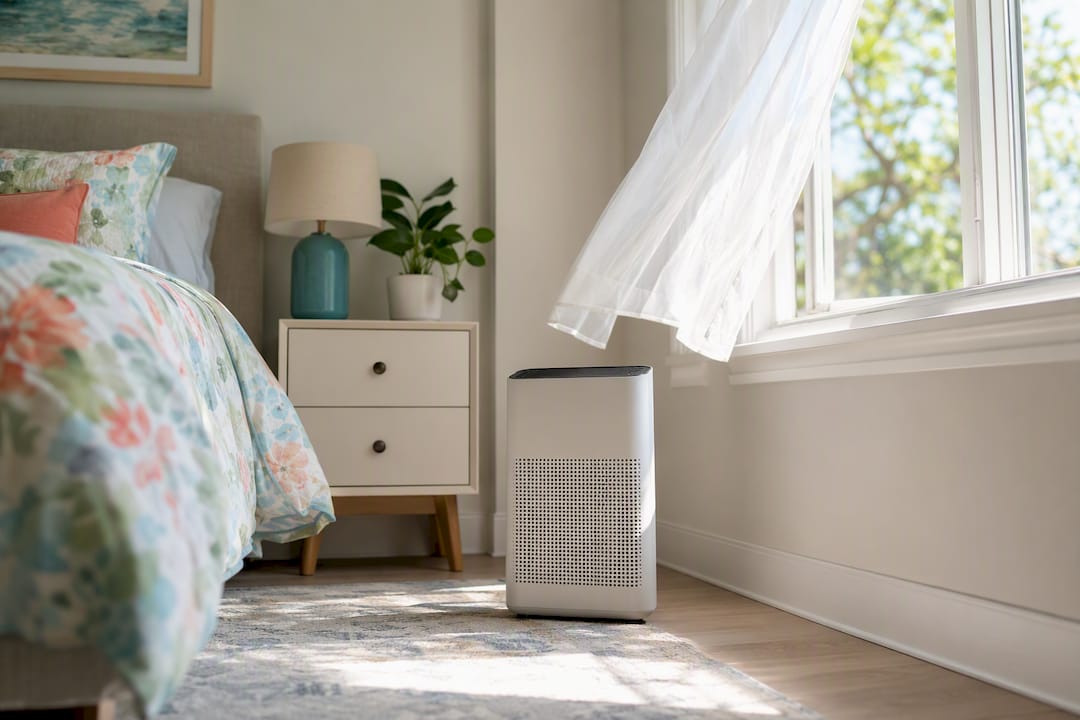
Placement matters more than most people assume. Put the purifier near the dustiest zone of the room, and keep the intake and outlet clear of walls or furniture. In an open floor plan, a central spot along the main airflow path works better than a corner, where air just circulates in place instead of passing through the unit.
Pro Tip: Vacuum with HEPA filtration before you damp wipe anything. Wiping first just smears drywall dust into a film instead of lifting it away.
Filters load up fast during construction cleanup. Post-renovation dust volume is far heavier than everyday household use, so check filters more often than the manufacturer’s routine schedule and keep spares on hand rather than waiting for a performance drop to notice.
How Do You Handle Stubborn Residue on Floors, Windows, and Fixtures?
Paint spatter, dried caulk, and adhesive residue need a different approach than general dust. Always dry vacuum first, then damp wipe with microfiber. Skipping the dry step turns loose dust into a paste that’s harder to remove than the original mess.
- Test any solvent or adhesive remover on a hidden spot before using it on visible trim or flooring
- Follow the flooring manufacturer’s cleaning notes for hardwood and natural stone. The wrong cleaner can dull a finish permanently
- Scrape dried paint or caulk gently with a plastic scraper rather than metal, which can scratch finished surfaces
- Clean window frames and tracks before the glass itself, since debris in the tracks will streak the glass on a second pass
Windows deserve their own pass rather than a quick swipe. A full window cleaning walkthrough covers frame, track, and glass-safe cleaner sequencing in detail if that’s the room giving you trouble.
When Should You Hire Professional Post Construction Cleaners?
Some jobs are worth doing yourself. Others aren’t. Call in professionals when you notice:
- Dust that keeps resettling on surfaces days after your own cleaning pass
- Visible dust coming through HVAC vents, which suggests contamination inside the ductwork
- Hazardous residues like suspected lead paint or asbestos-containing materials
- A multi-room or whole-house job where the debris volume outpaces what a household vacuum can handle
Professional crews bring HEPA vacuums and air scrubbers rated for commercial dust loads, and many offer multi-pass cleaning that includes a final polish most DIY jobs skip. Pricing typically runs per square foot and scales with site size, whether hazardous materials are involved, how many passes the job needs, and disposal requirements for debris. Getting a quote based on your actual square footage and scope beats guessing from a flat rate.
How Do You Turn This Into a Working Job-Site Checklist?
A checklist only works if someone owns each room. Assign a person to each space, add a date field, and require a sign-off once that room passes inspection.
- Use Yes/No/N/A fields per task, plus a comments field for anything that needs a second look
- Schedule a light second pass 24 hours out if the job generated heavy dust
- Note when HVAC filters were changed, since that’s easy to forget once the visible mess is gone
- Grab a printable checklist template if you want a version ready to hand to a crew or print for your own walkthrough
How Do You Dispose of Construction Debris and Hazardous Waste Safely?
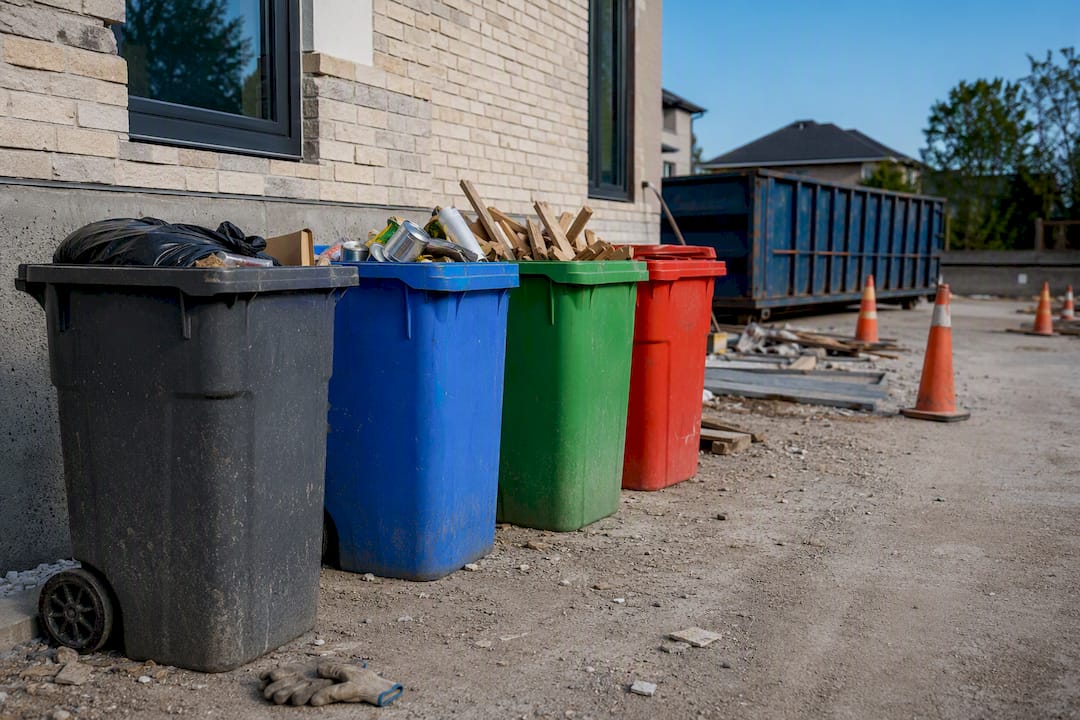
Not everything left over from a renovation goes in the regular trash. Most municipalities require construction and demolition debris, drywall scraps, lumber, and packaging to go through a designated debris hauler or landfill drop-off, not curbside pickup. A rented dumpster sized to the job is usually the most efficient route for anything beyond a few contractor bags.
Hazardous materials need separate handling entirely. If your project touched a home built before 1978, treat any disturbed paint as a potential lead risk and check with your local hazardous waste program before disposal. Suspected asbestos in old flooring, insulation, or popcorn ceilings should never go in a standard dumpster. It requires a licensed abatement or disposal service, since disturbing it further during cleanup can release fibers into the air you’re trying to clean.
Leftover chemicals also need their own path: paint thinners, adhesive removers, and unused sealants typically go to a household hazardous waste facility, not down a drain or into regular trash. Many counties run periodic collection events specifically for this kind of material.
A practical rule for sorting debris on-site: separate bins for general trash, recyclable metal and cardboard, wood scraps, and a clearly marked container for anything hazardous. That separation at the source saves a second sorting pass later and keeps hazardous material from contaminating a load that would otherwise go to standard disposal.
How Do You Clear Lingering Odors and VOCs After a Renovation?
Fresh paint, adhesives, sealants, and new flooring materials all off-gas volatile organic compounds for days or weeks after installation, even after visible dust is gone. That “new construction smell” is VOCs, and it’s worth treating as a separate task from dust removal.
Ventilation is the first move. Open windows and run exhaust fans whenever weather allows, even if it feels counterproductive to let outside dust in during cleaning. Cross-ventilation for a few hours a day clears more VOC buildup than any spray or scent product.
A HEPA air purifier helps with particulate dust, but VOCs are gases, not particles, so filtration alone won’t fully clear them. Purifiers with an added activated carbon layer handle gas-phase odors more effectively than HEPA filtration by itself. If your unit only has a HEPA filter, pair it with consistent ventilation rather than relying on it to solve odor on its own.
Give low-VOC or no-VOC products priority on any touch-up work during the cleaning phase. Repainting a scuffed wall with a high-VOC product right after finishing your dust cleanup just restarts the off-gassing clock. Check remaining product labels before doing any final touch-ups, and hold off on sealing the space up tightly (running the HVAC on full recirculation, for instance) until odors have noticeably faded.
Ready to Skip the DIY Grind?
Following every phase above works, but it takes a full day or more for an average home, plus the equipment investment if you don’t already own a HEPA vacuum and purifier. Neatandtidypros handles the entire sequence, from rough debris removal through the final polish pass, using the same HEPA filtration and multi-pass approach outlined here.
Our construction cleaning service covers homes, offices, and specialized properties across Orange County and Corona, California, with a scope built around exactly the room-by-room tasks in this guide. If you’re not sure whether your project needs a full detail clean or just a final polish, request a quote based on your actual square footage and we’ll scope it accordingly.
What This Checklist Gets Right That Most Guides Miss
Most post-construction advice treats dust control as an afterthought tacked onto the end of a cleaning list. That’s backward. The purifier runtime and the vacuum-before-wipe sequence matter more than which cleaning product you grab, because they determine whether you clean the space once or three times.
The conventional wisdom oversells the “broom-swept” handover as a finish line. It’s a starting point. Fine dust from drywall and cut stone keeps resettling for days, and a single wipe-down the day the crew leaves misses that resettling window entirely. If you take one thing from this guide, let it be the second pass at 24 hours. It’s the step most homeowners skip because the room already looks clean.
Where I’d push back on general advice: don’t buy a bargain vacuum for a one-time job and call it HEPA-equivalent. Filtration quality is the one place cutting corners costs you a second full cleaning day. Everything else, from microfiber cloths to trash bags, is replaceable. A vacuum that doesn’t actually trap fine particles isn’t.
Frequently Asked Questions
What is post construction cleaning, exactly?
It’s the deep clean that happens after a build or renovation finishes, covering the fine dust, residue, and debris that remain after a contractor’s standard broom-sweep. It goes well beyond routine housekeeping and typically follows the rough, detail, and final phases.
What’s the best way to remove construction dust from a room?
Vacuum dry with a HEPA vacuum first, working from ceiling to floor, then follow with a damp microfiber wipe. Wiping before vacuuming smears fine dust into surfaces instead of lifting it away.
How long does a post construction cleaning checklist take to complete?
A single room’s detail and final phases typically take a few hours; a full average-size home often runs a full day or more, plus a lighter second pass around 24 hours later if dust was heavy.
Do I need professional equipment, or will a regular vacuum work?
A standard vacuum recirculates fine particles back into the air. A HEPA vacuum traps particles down to 0.3 microns, which matters directly for silica and wood dust generated during construction.
When should I hire a professional post-construction cleaning service instead of doing it myself?
Bring in professionals when dust keeps resettling after your own cleaning, when you see dust coming through HVAC vents, when hazardous materials like suspected asbestos are present, or when the job spans multiple rooms with heavy debris.