A solid home cleaning routine to reduce allergens doesn’t require a complete lifestyle overhaul. The core moves are damp dusting with microfiber cloths, vacuuming with a HEPA-filter vacuum at least once a week, washing bedding in water above 130°F, and keeping indoor humidity at moderate levels. Allergen-proof covers on mattresses and pillows can reduce dust mite exposure more reliably than some air purifiers alone. During pollen season, keep windows closed and run an air purifier sized to your room’s square footage. When you clean, wear an N95 mask and goggles to avoid inhaling the particles you’re disturbing.
- Damp-dust all surfaces before vacuuming, working top to bottom
- Wash sheets, pillowcases, and blankets weekly in hot water (130°F minimum)
- Encase mattresses and pillows in allergen-impermeable covers
- Keep indoor humidity moderate with a dehumidifier or air conditioner
- Run exhaust fans in bathrooms and kitchens to reduce moisture
- Wear an N95 mask and goggles every time you clean
- Use air purifiers with HEPA and activated carbon filters matched to room size
Pro Tip: After vacuuming or dusting, leave the room for several hours. Microscopic allergens stirred up during cleaning settle out of the air over time, so staying put means breathing them right back in.
Table of Contents
- Room-by-room cleaning strategies to reduce allergens effectively
- What tools and products actually work for allergen-free cleaning
- How to prevent allergen buildup and control mold growth
- How to build a weekly allergy-reducing cleaning schedule
- What experts say about air purifiers and professional cleaning services
- Key Takeaways
- When your home needs more than a routine clean
Room-by-room cleaning strategies to reduce allergens effectively
Every room in your home harbors a different mix of allergens, and the cleaning approach needs to match.
Bedroom
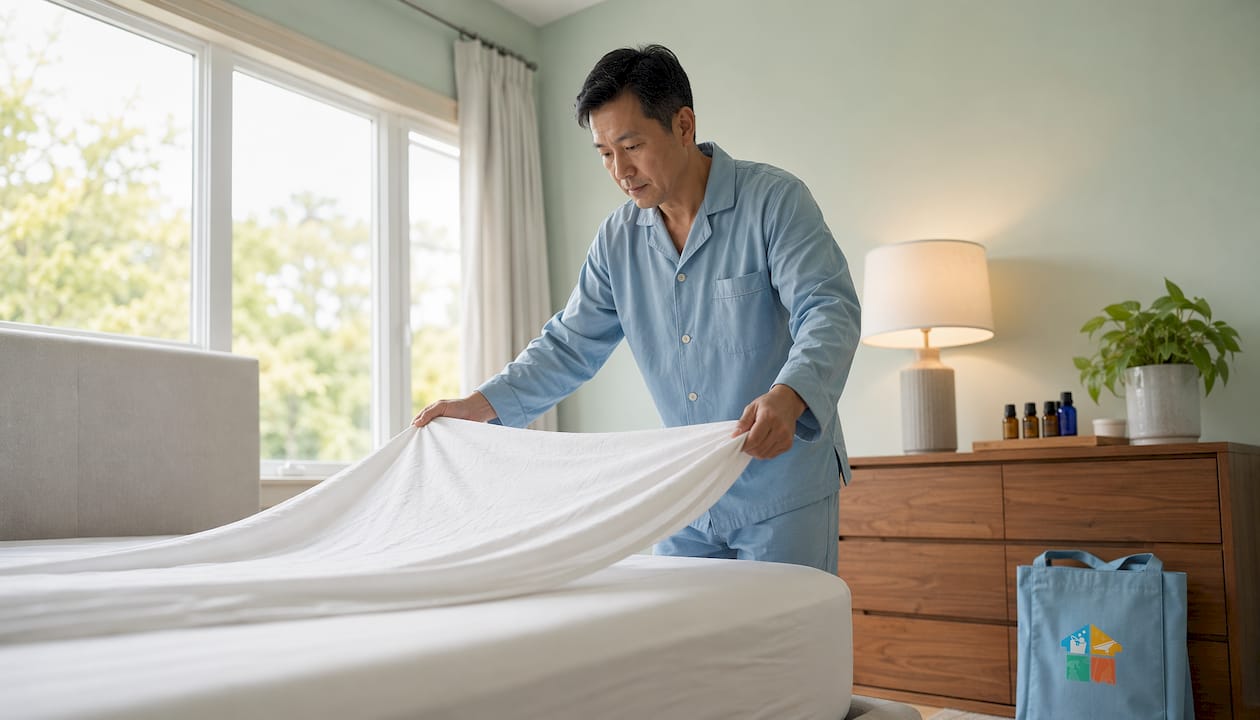
The bedroom is ground zero for dust mite exposure because mites thrive in warm, humid bedding. Wash all bedding weekly in water heated to at least 130°F, and encase your mattress, box spring, and pillows in allergen-impermeable covers. Skip heavy drapes in favor of washable cotton or synthetic curtains, and replace wall-to-wall carpet with hardwood or low-pile options when possible. Dust furniture with a damp microfiber cloth rather than a dry one, which just sends particles airborne.
Bathroom
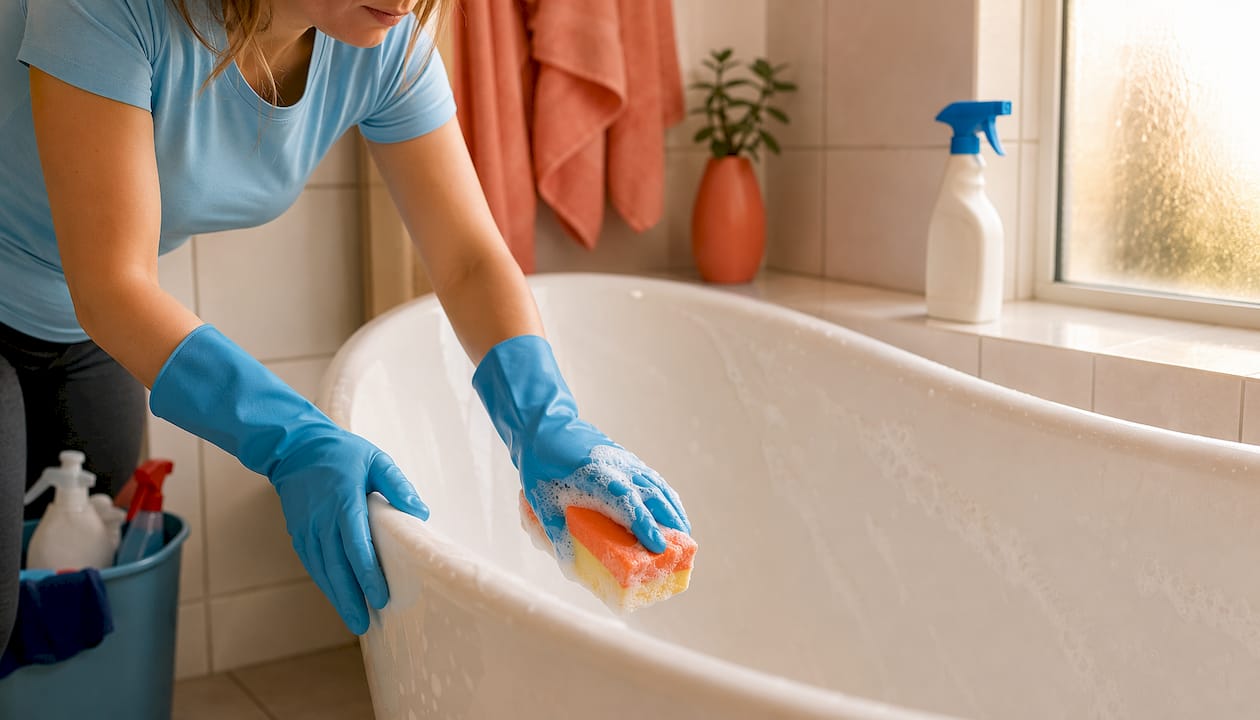
Mold is the main threat here. Run the exhaust fan during and after every shower, and scrub mold from tubs and faucets with a bleach solution (¾ cup chlorine bleach per gallon of water). Towel-dry the tub and enclosure after use. Replace carpeted bathroom floors with tile, vinyl, or linoleum, and use washable rugs you can throw in the wash weekly.
Kitchen
Food debris and moisture invite cockroaches, and cockroach allergens are a significant asthma trigger. Empty trash daily in a can with an insect-proof lid, store all food including pet food in sealed containers, and wipe up spills immediately. Use a vented exhaust fan over the stove to remove cooking fumes and reduce moisture. Check under-sink cabinets regularly for plumbing leaks, since standing water is a fast track to mold.
Living and family room
- Vacuum upholstered furniture and carpets regularly with a HEPA-equipped vacuum
- Reduce clutter: knickknacks, stacked magazines, and open bookshelves are dust traps
- Replace horizontal blinds with washable roller shades
- Avoid wood-burning fireplaces, which push smoke and particulates into the air
- Wash throw pillows and blankets monthly
Pet allergen management
- Bathe pets regularly to reduce the dander they shed
- Keep pets out of the bedroom entirely, especially off the bed
- Wash pet bedding weekly and vacuum pet-favorite furniture after each use
- Wipe pets down with a damp cloth between baths to cut surface dander
What tools and products actually work for allergen-free cleaning
The right equipment makes a measurable difference. A vacuum with a genuine HEPA filter and a sealed system traps allergens inside the machine rather than exhausting them back into the room. Look for models certified as asthma and allergy friendly by the Asthma and Allergy Foundation of America (AAFA), since certification requires independent testing of actual particle retention.
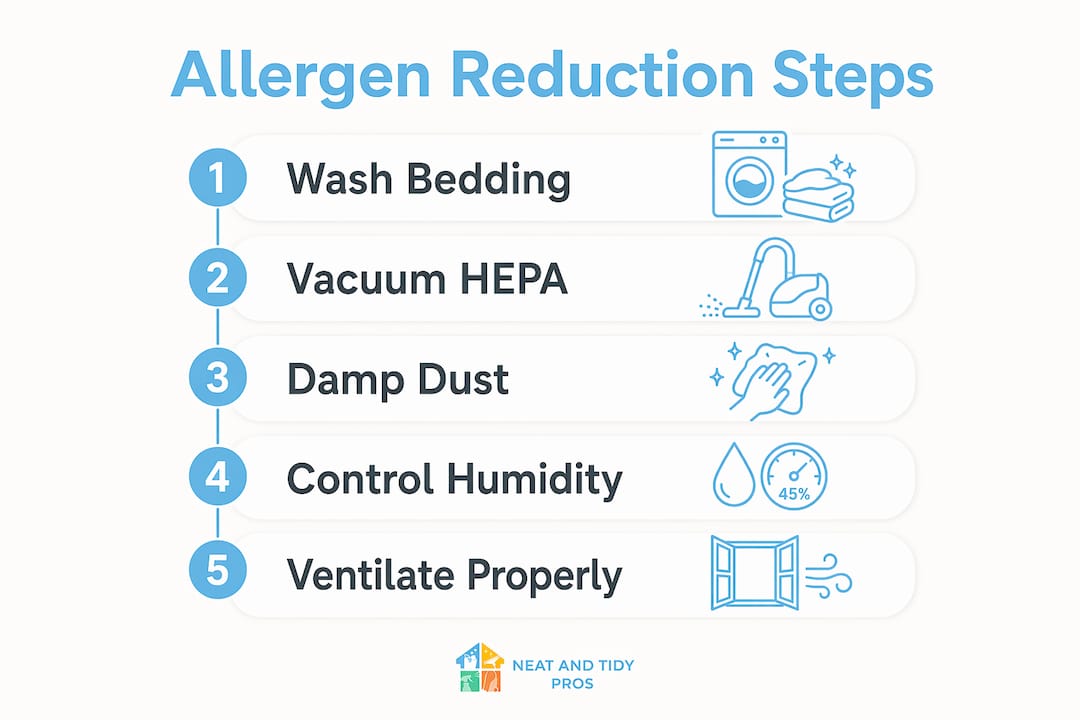
For dusting, damp microfiber cloths are the clear choice. Dry dusters and feather dusters scatter particles; a damp microfiber cloth traps and holds them. Work from high surfaces down to low ones so dislodged dust falls onto areas you haven’t cleaned yet.
Cleaning products matter too. Standard chemical cleaners can irritate airways in sensitive people. Simple alternatives like baking soda and white vinegar clean effectively without the respiratory hit. For safe product guidance tailored to allergy-sensitive households, Neatandtidypros has a useful family-safe cleaning guide worth bookmarking.
- HEPA vacuum with sealed system: traps fine particles instead of recirculating them
- Damp microfiber cloths: capture dust rather than spreading it
- Baking soda and vinegar solutions: effective, low-irritant alternatives to harsh sprays
- Air purifier with HEPA and activated carbon filters: handles airborne pollen, dander, and smoke
- N95 mask and goggles: protect you during the cleaning process itself
Pro Tip: When shopping for an air purifier, check the Clean Air Delivery Rate (CADR) number, not just whether it says “HEPA.” As Dr. John McKeon notes, matching CADR to room size is what actually determines whether the unit cleans the air fast enough to matter.
How to prevent allergen buildup and control mold growth
Prevention beats remediation every time. The single most effective environmental control is keeping indoor humidity at moderate levels. Dust mites can’t survive below 50% relative humidity, and mold needs moisture to establish itself. A dehumidifier in damp areas like basements or bathrooms, combined with air conditioning in summer, handles most of that work.
Pollen season is a specific trap. Opening windows to “air out” the house sounds refreshing, but it pulls outdoor pollen and spores directly inside. Keep windows closed and rely on your HVAC system or a standalone air purifier instead. If your HVAC has a filter, replace it monthly during high-use seasons.
Address leaks and standing water immediately. A slow drip under the kitchen sink can seed a mold colony within 24–48 hours. Repair leaks as soon as you find them, and check the refrigerator drip pan regularly since it’s easy to forget. Proper interior paint choices also help: mold-resistant enamel paint in bathrooms and basements reduces surface mold significantly, and interior painting can be a meaningful part of a whole-home air quality plan.
Pro Tip: Run your bathroom exhaust fan for at least 20 minutes after a shower, not just during it. Most of the moisture that feeds mold evaporates in that post-shower window.
Statistic callout: Cleaning as a proactive health measure reduces the frequency of allergy and asthma flare-ups rather than just treating symptoms after the fact.
How to build a weekly allergy-reducing cleaning schedule
Consistency matters more than intensity. A thorough cleaning every few months does far less than a steady weekly routine targeting the areas where allergens accumulate fastest.
Daily tasks (10–15 minutes):
- Wipe kitchen counters and stovetop after cooking
- Empty trash cans in kitchen and bathrooms
- Squeegee or towel-dry the shower after use
Weekly tasks:
- Vacuum all carpets, rugs, and upholstered furniture with a HEPA vacuum
- Damp-dust all surfaces, starting from ceiling fans and shelves down to baseboards
- Wash bedding (sheets, pillowcases, blankets) at 130°F or above
- Mop hard floors with a damp mop
- Wash bathroom rugs and bath mats
- Clean mold-prone areas: tub, shower, sink, and window sills
Monthly tasks:
- Wash curtains and throw pillow covers
- Clean or replace HVAC filters
- Wipe down the inside of the refrigerator and empty the drip pan
- Bathe pets and wash their bedding
For professional carpet cleaning, schedule it at least twice a year. Regular vacuuming removes surface allergens, but embedded particles in carpet fibers require hot-water extraction to dislodge.
Pro Tip: Schedule your weekly deep clean for a time when allergy sufferers in the household can be out of the home for several hours. Cleaning disturbs settled allergens, and leaving the space vacant afterward gives particles time to resettle before anyone breathes that air.
What experts say about air purifiers and professional cleaning services
Choosing an air purifier comes down to one number most people ignore: CADR. The Clean Air Delivery Rate tells you how many cubic feet of air the unit cleans per minute for a specific pollutant (dust, pollen, smoke). A unit with a CADR of 100 for a 400-square-foot room won’t keep up. Match the CADR to your room dimensions, and look for units that combine HEPA filtration with activated carbon to capture both particles and odors.
That said, allergen-impermeable mattress and pillow encasings outperform air purifiers for symptom reduction in the bedroom. An air purifier cleans circulating air; an encasing stops the allergen source from releasing particles in the first place. Use both, but don’t skip the encasings in favor of a more expensive purifier.
- Choose air purifiers with a CADR rating matched to the room’s square footage
- Prioritize allergen-impermeable mattress and pillow covers over air purifiers for bedroom allergen control
- Use AAFA-certified vacuums to prevent allergen recirculation during cleaning
- Consider indoor air quality solutions from HVAC professionals if symptoms persist despite consistent home routines
- Signs you need professional deep cleaning: visible mold, persistent symptoms despite regular cleaning, or a recent move into a new space
When home routines aren’t enough, professional deep cleaning reaches areas that weekly maintenance misses: inside HVAC vents, under heavy furniture, deep in carpet fibers, and behind appliances. Neatandtidypros covers every room in a professional deep clean, including the spots most people skip.
Statistic callout: Consistent allergen control measures lower the frequency of allergy and asthma attacks, making cleaning a health intervention, not just a chore.
Key Takeaways
A consistent allergen-reduction routine combining HEPA vacuuming, damp dusting, hot-water bedding washes, and humidity control between 30–50% delivers the most reliable drop in indoor allergen load.
| Point | Details |
|---|---|
| Bedding is the priority | Wash weekly at 130°F and use allergen-impermeable mattress and pillow covers for the biggest dust mite reduction. |
| Humidity control stops mold and mites | Keep indoor humidity at 30–50% using a dehumidifier or air conditioner to cut two major allergen sources at once. |
| CADR beats HEPA branding | Match your air purifier’s CADR rating to room size; a mismatched unit won’t clean the air fast enough to help. |
| Cleaning is a health intervention | Proactive allergen reduction lowers the frequency of allergy and asthma flare-ups, not just symptom severity. |
| Neatandtidypros for persistent allergens | When regular routines aren’t enough, Neatandtidypros’s deep cleaning service reaches embedded allergens in carpets, vents, and hard-to-access areas. |
When your home needs more than a routine clean
If you’re following the steps above and still sneezing through the week, the allergens may be embedded deeper than a weekly routine can reach. That’s where Neatandtidypros comes in. Rather than a surface wipe-down, a professional deep cleaning service works through every room systematically, pulling allergens out of carpet fibers, scrubbing mold from grout, cleaning behind appliances, and addressing the spots that accumulate the most without anyone noticing.
Neatandtidypros serves residential and commercial clients across California, offering deep cleaning, move-in/move-out cleaning, post-construction cleaning, and routine maintenance. For allergy sufferers, the residential cleaning options are designed to get the home to a genuinely low-allergen baseline, not just visibly clean. Get a quote and schedule a visit at neatandtidypros.com/services.